
Urethane Punch Strippers: What They Are and Why They Matter

Urethane punch strippers play a critical role in modern metal stamping by controlling material during punching and ensuring reliable part release. Instead of relying on metal springs or complex mechanical assemblies, urethane punch strippers use the elastic properties of polyurethane to apply consistent pressure throughout the press cycle. This makes them a dependable solution for improving part quality, reducing tool wear, and simplifying die design.
What Are Urethane Punch Strippers?
Urethane punch strippers are components installed around or beneath the punch to hold material flat during punching and strip it cleanly from the punch on withdrawal. They are manufactured from high performance polyurethane, which compresses under load and rebounds quickly without permanent deformation.
Polyurethane Products produces urethane punch strippers using high-performance cast polyurethane engineered for controlled compression, high tear resistance, and long cycle life. By tailoring durometer and material formulation, these strippers deliver predictable performance across a wide range of press speeds and tonnage requirements.
How Urethane Punch Strippers Work
During the downstroke, the urethane stripper compresses against the workpiece, stabilizing the material and preventing it from lifting or moving. As the punch retracts, the stored energy in the compressed urethane forces the material off the punch face. This uniform pressure reduces the risk of slug pulling, punch galling, and part distortion.
Because urethane applies force evenly across its contact surface, it avoids the point loading common in mechanical systems. This balanced pressure is especially important when stamping thin-gauge metals or materials with sensitive finishes.
Urethane vs Mechanical Punch Strippers
Mechanical strippers rely on metal springs, pressure pins, or nitrogen cylinders to apply stripping force. While effective, they introduce more components that can wear, break, or require adjustment over time.
When comparing mechanical systems to urethane punch strippers, urethane offers several advantages:
- Fewer moving parts and simpler die construction
- Reduced punch and die wear
- Improved surface protection for finished parts
- Better shock absorption and vibration control
- Lower maintenance requirements
These benefits make urethane punch strippers particularly valuable in high-cycle production environments where downtime and tool replacement costs add up quickly.
Why Urethane Punch Strippers Matter
Stripping performance directly affects press efficiency and tooling life. Inconsistent stripping can lead to part hang-up, punch breakage, material distortion, and press interruptions. Urethane punch strippers maintain steady contact throughout the stroke, helping dies run cleaner and longer.
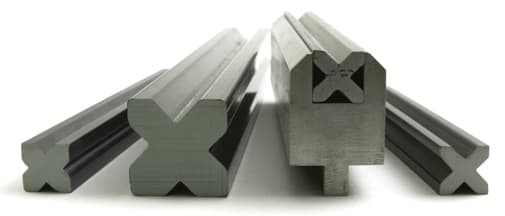
Polyurethane Products manufactures both standard and custom urethane stripper components from high-quality polyurethane spring stock. Their materials are designed to resist fatigue, cracking, and compression set, allowing them to maintain performance over millions of cycles.
Common Applications
Urethane punch strippers are widely used in progressive dies, compound dies, and short-run tooling where flexibility and reliability are critical. They work well when stamping aluminum, stainless steel, coated steels, and other materials prone to marking or distortion.
They are also effective in applications requiring quiet operation, reduced shock loading, or frequent tool changes.
Choosing the Right Urethane Punch Stripper
Selecting the right stripper depends on press tonnage, material thickness, punch geometry, and cycle rate. Durometer selection is especially important, as it determines the force the stripper applies and its behavior under repeated compression.
Polyurethane Products works with manufacturers to match urethane punch strippers to specific operating conditions, ensuring consistent stripping force and long service life.
Get the Right Urethane Punch Stripper for Your Application
Urethane punch strippers are only as effective as the material and design behind them. Proper durometer selection, compression behavior, and wear resistance all contribute to consistent stripping performance and long tooling life.
Polyurethane Products manufactures standard and custom urethane punch strippers using high-quality polyurethane spring stock engineered for demanding stamping environments. Whether you are replacing mechanical strippers or optimizing an existing die, their team can match the right urethane solution to your press, tooling, and material requirements.
Contact Polyurethane Products to discuss urethane punch stripper options designed for reliability, consistency, and extended service life.
FAQs About Urethane Punch Strippers
Urethane punch strippers are used to hold material flat during punching and strip it off the punch during retraction, improving part quality and protecting tooling.
Urethane punch strippers rely on elastic compression rather than springs or mechanical assemblies, resulting in more even pressure, fewer components, increased safety and reduced maintenance.
Polyurethane spring stock is a high-performance urethane material designed to compress and rebound repeatedly without losing shape or performance. It is commonly used in punch strippers, die springs, and shock-absorbing components.
All tooling components wear over time, but properly specified urethane punch strippers offer long service life and resist fatigue better than many mechanical alternatives.
Yes. Polyurethane Products manufactures custom urethane punch strippers with specific sizes, shapes, and durometers to match unique tooling requirements.
You have questions, we have answers. Contact us today. Our skilled customer service specialists can help you make the right choice in polyurethane applications.